Back pain is a pervasive issue that affects countless individuals, often leading to the consideration of invasive surgical procedures. However, various non-surgical approaches offer effective and alternative solutions for pain relief in Wilsonville. This article provides an in-depth exploration of non-invasive treatment options available, including chiropractic care and physical therapy, while addressing the specific types of back pain that can benefit from these methods. Those struggling with back pain will learn how to avoid surgery and explore effective relief options tailored for their needs. We'll delve into the differences between acute and chronic back pain, nerve-related conditions that can be treated non-surgeonically, and the various therapies that improve mobility and overall well-being.
A variety of back pain conditions can significantly improve with non-invasive treatments. Conditions such as herniated discs, sciatica, and muscle strain respond well to these approaches, allowing patients to enhance their quality of life without the need for surgical intervention. Non-surgical methods prioritize natural healing by addressing the root causes of pain rather than merely masking symptoms.
By recognizing which conditions can benefit from non-invasive treatments, patients can seek appropriate care tailored to their individual needs.
Understanding the distinction between acute and chronic back pain is crucial for determining the best course of treatment. Acute back pain is often identified as pain that arises suddenly, typically caused by an injury or strain, and lasts for a short period, usually less than six weeks. Chronic back pain, on the other hand, persists for an extended period, often for more than three months, and can result from underlying health issues or repetitive strain.
Understanding these differences helps guide effective treatment options that target the nature of the pain.
Several nerve-related conditions can be treated non-surgically, allowing patients to find relief without the risks associated with surgery. Effective treatments exist for conditions such as pinched nerves and spinal stenosis, which can benefit from chiropractic care, physical therapy, and medication management.
Statistics show high patient success rates with non-surgical management of these nerve-related conditions, underscoring the importance of exploring non-invasive therapies.
In Wilsonville, several non-surgical treatment options are available for individuals seeking effective back pain relief. Options include chiropractic care, physical therapy, and advanced non-invasive techniques such as spinal decompression therapy. These methods cater to patients' needs through a personalized, patient-centered approach that addresses underlying issues causing pain.
These therapies provide patients with various methods to manage pain, enhance recovery, and avoid the risks associated with surgery.
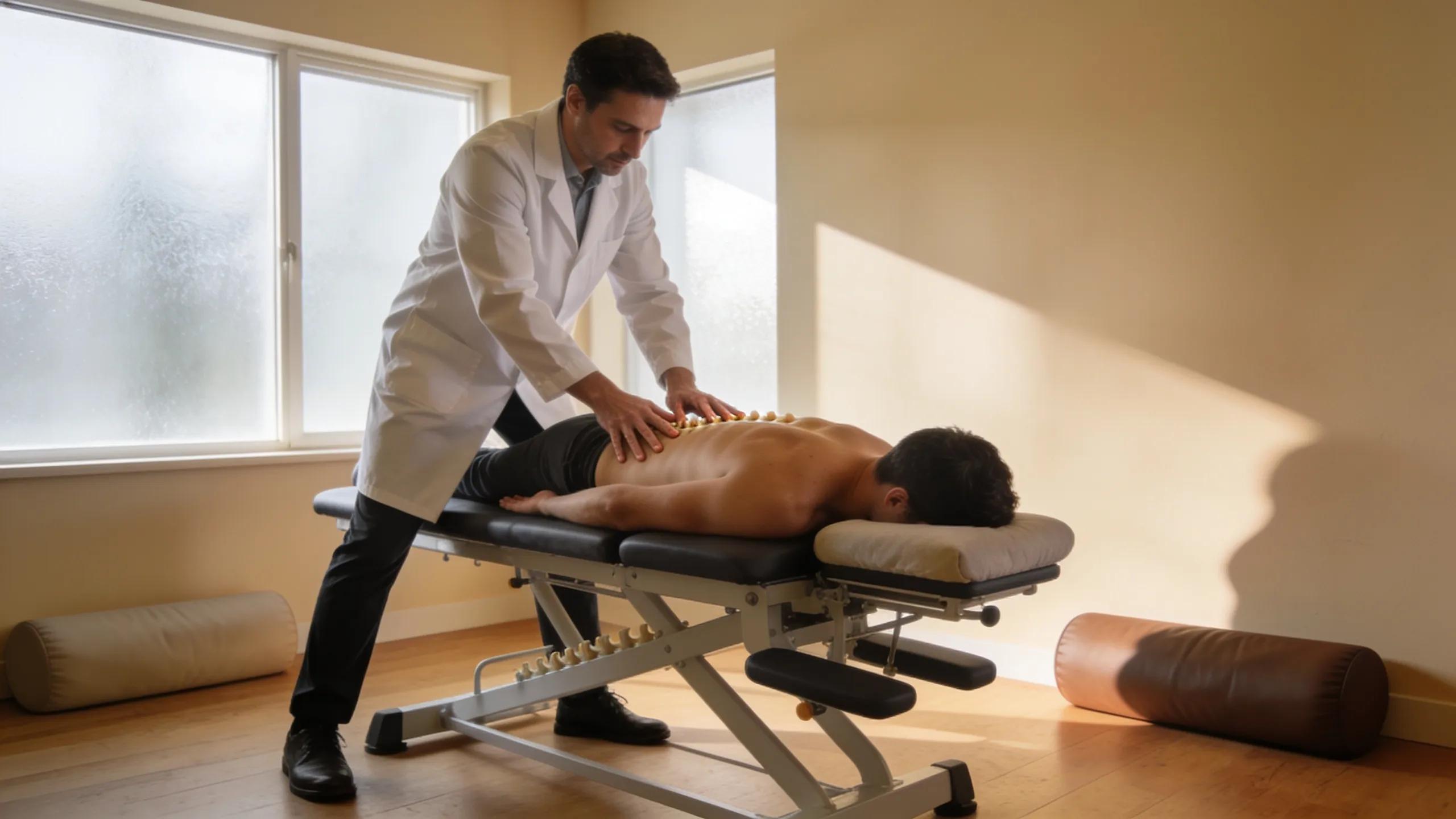
Chiropractic care offers a holistic approach to back pain relief by focusing on spinal alignment and the nervous system's health. Chiropractors utilize specific adjustments to the spine to alleviate pain and improve overall function. The adjustments restore the body's natural alignment, enhancing nervous system communication and supporting healing.
The primary benefits of chiropractic care include:
For patients interested in scheduling a chiropractic consultation, it is recommended to seek local clinics specializing in non-surgical treatments.

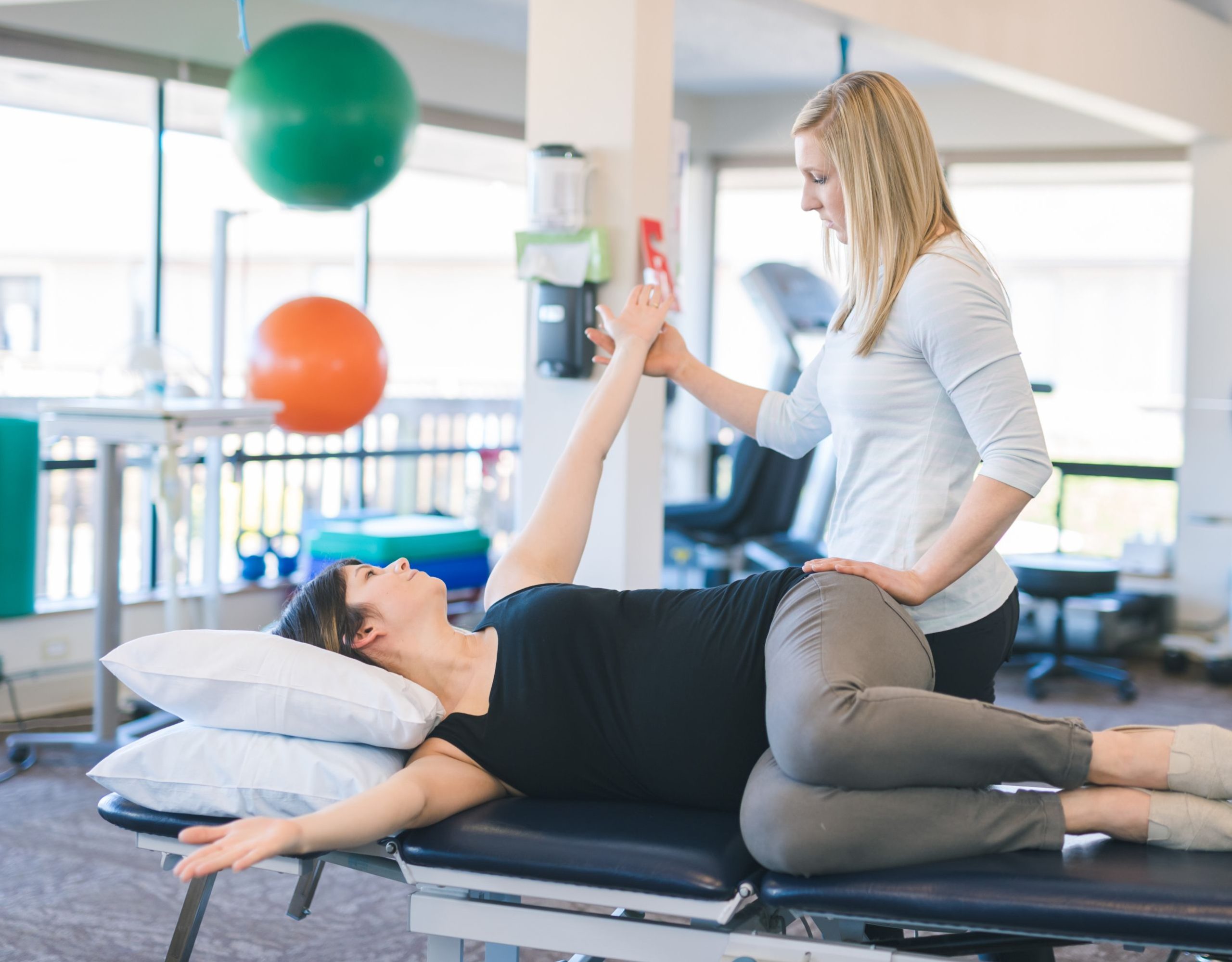
Physical therapy plays a crucial role in managing back pain by providing structured programs tailored to individual needs. These programs often focus on exercises designed to strengthen core muscles, ensuring better support for the spine and reducing pain over time. Therapists also educate patients on proper body mechanics and movement patterns to minimize the risk of future injuries.
Physical therapy empowers patients with the tools necessary to manage pain, enhance mobility, and promote overall well-being.
Recent studies indicate that non-invasive therapies can be highly effective alternatives to spine surgery for many conditions. The effectiveness of these methods extends to improving patient outcomes, with significantly lower recovery times compared to surgical interventions.
This evidence highlights the importance of considering non-invasive therapies before resorting to more invasive surgical options.
Spinal decompression therapy is a specialized treatment focusing on relieving pressure from spinal discs and nerves. This therapy involves the use of a decompression table to stretch the spine gently, promoting healing and pain reduction. The primary benefit is reduced pressure on herniated or bulging discs, allowing for proper hydration and nutrient flow to the discs.
Non-Surgical Spinal Decompression for Lumbar Back Pain
This study aims to compare the efficiency of conventional motorized traction (CMT) with non-surgical spinal decompression (NSD) using the DRX9000™ device in patients with low back pain associated with lumbar disc herniation (LDH).Comparison of the short-term effects of the conventional motorized traction with non-surgical spinal decompression performed with a DRX9000 device on pain …, FA Koçak, 2017
Key advantages of spinal decompression therapy include:
These benefits make spinal decompression therapy a valuable option for individuals seeking relief from chronic back pain.
Non-surgical treatments not only focus on pain alleviation but also aim to enhance mobility and overall well-being. Patients often experience improvements in their day-to-day functionality as treatment progresses, allowing them to engage in activities that may have been hindered by pain previously.
These holistic benefits emphasize the value of non-invasive treatments in enhancing patients' quality of life.
Numerous patient testimonials highlight the success of avoiding back surgery through non-invasive treatments. These stories reveal how individuals have regained their mobility, reduced pain levels, and enhanced their overall life satisfaction without the risks associated with surgery.
These success stories illustrate the potential for significant improvements in patient health and well-being.
Scheduling a back pain consultation in Wilsonville is straightforward. Patients are encouraged to seek clinics specializing in non-surgical treatments to initiate their recovery journey. Clinics often provide online scheduling options, and it is helpful to prepare any necessary documentation for your first visit.
Taking proactive steps toward scheduling an appointment opens up the pathway to effective pain management solutions.
A non-surgical back pain evaluation typically includes a comprehensive assessment of the patient's condition. Healthcare providers will conduct detailed evaluations to determine the underlying causes of pain, allowing them to create tailored treatment plans. During the evaluation, patients can expect:
Spinal Decompression Therapy for Back Pain
provided for 20 treatments of spinal decompression over a 6-week course of therapy.Spinal decompression, 2003
This structured evaluation process helps ensure patients receive the most effective care tailored to their circumstances.
Wilsonville offers several top-rated pain management clinics specializing in non-surgical back pain treatments. Each clinic focuses on providing individualized care and employs diverse therapeutic approaches to enhance patient outcomes. Information on these pain management clinics can help residents find the most suitable options.
These clinics provide accessible and effective solutions for individuals dealing with back pain, allowing residents to explore comprehensive care options right in their community.