In the world of sports, injuries are a common hurdle that athletes face. Whether you're an amateur or a seasoned competitor, the recovery process can often dictate your ability to stay active. Non-surgical sports injury rehabilitation options in Wilsonville offer an effective solution, helping athletes recover faster and enhance their mobility without resorting to invasive procedures. This article aims to explore various non-surgical rehab strategies, focusing on their benefits, methodologies, and the success stories behind these approaches. We'll delve into common sports injuries treated in Wilsonville, the impact of early intervention, active recovery exercises, and how personalized rehab plans can facilitate pain relief and mobility improvement.
Non-surgical rehab centers in Wilsonville specialize in various sports injuries that athletes commonly experience. The most prevalent injuries include knee pain, shoulder pain, and back pain. Treatment for these injuries varies based on the injury type and each patient’s unique history. Personalized care strategies play a crucial role in effective rehabilitation, ensuring tailored approaches that align with individual recovery paths.
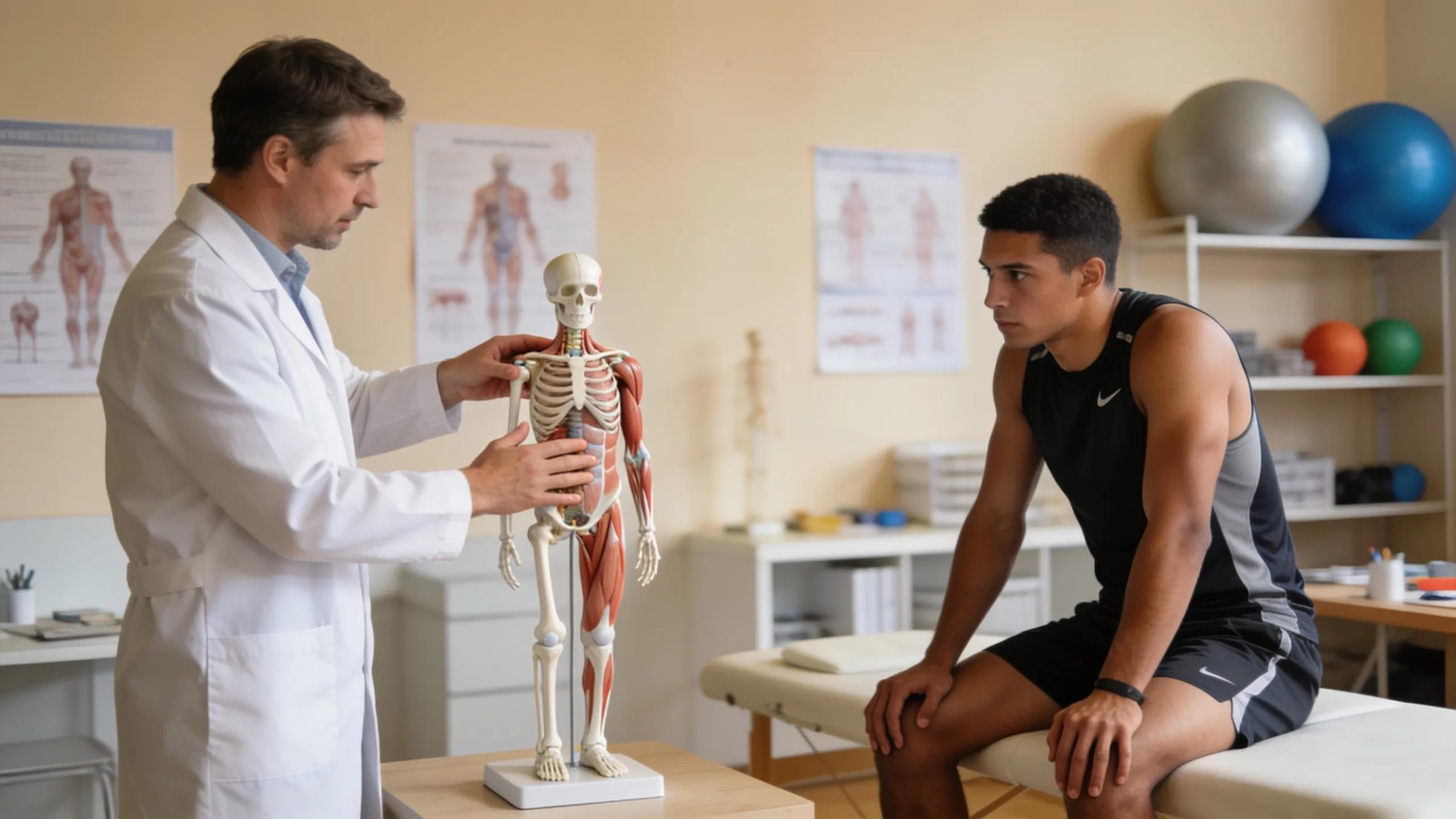
Early intervention is pivotal in the recovery process from sports injuries. It encompasses the timely assessment and tailored treatment plans necessary for acute and ongoing care. Immediate action can prevent further complications, and patient education can significantly enhance recovery outcomes. Understanding how and when to seek help can influence the speed and effectiveness of the rehabilitation process.
Timely assessment and treatment can significantly influence recovery outcomes, underscoring the importance of addressing injuries promptly
Early Intervention for Faster Sports Injury Recovery
However, 1 factor that may play a role in recovery but has not yet been thoroughly studied is the association of time since injury with initiation of clinical care on recovery time after concussion. To address this gap in the literature, this study was conducted in a sports medicine clinic between August 2016 and December 2018. Association of time since injury to the first clinic visit with recovery following concussion, 2016
Chiropractic care is an invaluable resource for accelerating sports injury recovery. Techniques like chiropractic adjustments focus on realigning the spine and improving overall function, facilitating pain relief without the need for invasive surgery. These non-invasive therapies can lead to favorable recovery outcomes, creating a holistic approach to rehabilitation. Athletes often find that optimizing their body mechanics through chiropractic care enhances performance and promotes faster healing.
Chiropractic care's multifaceted nature, encompassing both passive and active management strategies, positions it as a comprehensive approach to sports injury rehabilitation.
Multimodal Chiropractic Approach for Sports Injury Management
Best practice guidelines are increasingly suggesting that musculoskeletal injuries should be managed with multimodal active and passive care strategies. Broadly speaking chiropractors may be subdivided into "modern multimodal" or "classical" (unimodal) in nature. The modern multimodal practitioner is better suited to managing sporting injuries by incorporating passive and active care management strategies to address three important phases of care in the continuum of injury from the acute inflammation/pain phase to the chronic/rehabilitation phase to the injury prevention phase. How to select a chiropractor for the management of athletic conditions, 2009
From musculoskeletal health to person-centered care, chiropractic professionals play a significant role in helping individuals regain their functional abilities.
Chiropractic's Role in Sports Injury Recovery & Rehabilitation
Rehabilitation is described as the care needed when a person is experiencing, or is likely to experience, limitations in everyday functioning. In 2019, it was estimated that 2.4 billion people were living with a condition that could benefit from rehabilitation. Chiropractors have contributed meaningfully to the delivery of rehabilitation due to their training in musculoskeletal health and person-centred care. Building on the World Federation of Chiropractic’s chiropractic rehabilitation competency framework, this commentary highlights chiropractic's role in strengthening rehabilitation in health systems. Under the “Role of Chiropractic in Rehabilitation”, we explore the postoperative setting, sports injury recovery, and neurorehabilitation. Chiropractic's role in strengthening rehabilitation in health systems, 2026
Active recovery aims to alleviate soreness and stiffness while promoting circulation and mobility post-injury. Here are specific exercises that can be beneficial:
Active recovery protocols are integral to minimizing downtime and supporting an athlete's return to peak performance.
Implementing these exercises within a broader rehab plan can significantly improve outcomes.
Personalization in rehabilitation is essential for effective recovery. Wilsonville rehab centers assess injury histories and current health conditions to develop individualized treatment strategies. Regular evaluations of progress ensure that plans are adjusted as needed, maximizing recovery potential. This customized approach allows for targeted therapies that address the specific needs and goals of each patient.
Patient testimonials often highlight the transformative effects of non-surgical rehab methods. Many individuals have shared compelling stories of their journeys back to health, emphasizing the effectiveness of tailored treatment plans and active recovery practices. These success stories serve as a testament to the efficacy of personalized care in achieving remarkable outcomes for athletes.
Scheduling an appointment for sports injury rehabilitation should be done as soon as an injury occurs. Early engagement allows for better assessment, which is crucial for effective treatment. During the consultation process, detailed discussions about your injury history and symptoms will help tailor the rehab plan accordingly. Potential patients can reach out to local rehab centers in Wilsonville to set up an appointment seamlessly. Delaying treatment can lead to chronic issues, so it's wise to act promptly.
By understanding the variety of available non-surgical rehab options and their respective benefits, athletes can make informed decisions about their recovery processes. Non-surgical methods not only reduce recovery time but also enhance overall mobility, ensuring athletes can return to the activities they love with confidence.